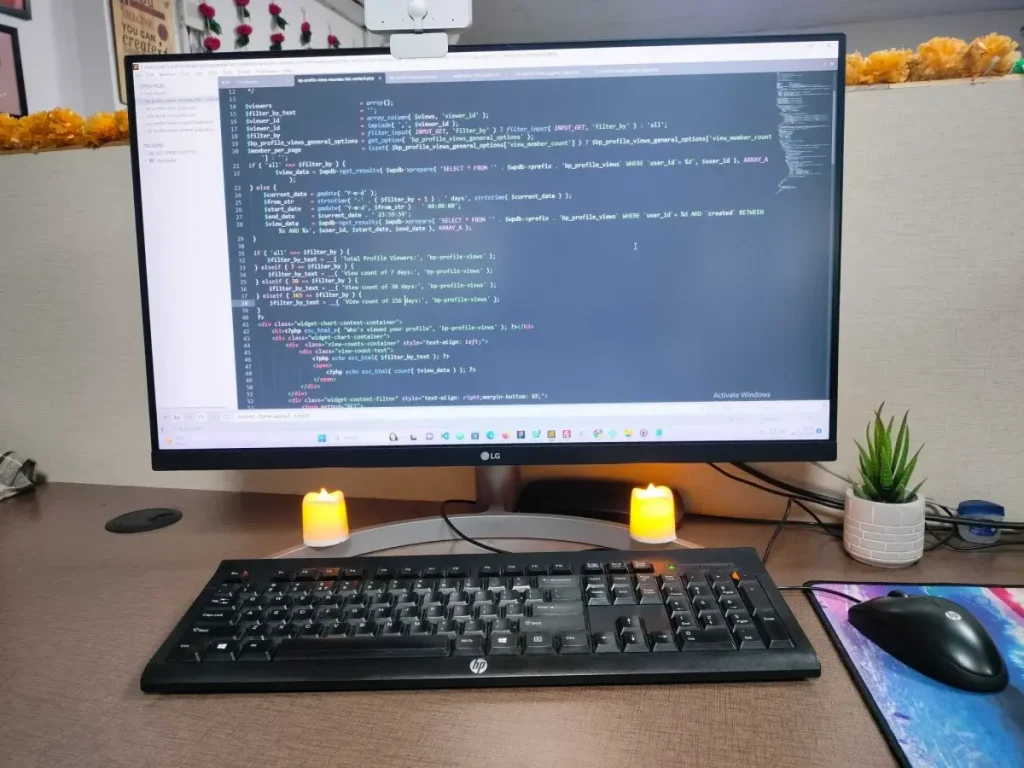
Web development is a dynamic and ever-evolving field, crucial for creating engaging and functional websites. With the rapid advancement of technology, understanding the fundamentals of web development is essential for both beginners and seasoned developers. Whether you want to build a personal blog, an e-commerce site, or a complex web application, mastering web development can significantly enhance your skills and career opportunities.
Understanding Web Development
At its core, web development involves the process of building and maintaining websites. It encompasses various aspects, including web design, web programming, and database management. The term is often divided into two main categories: front-end development and back-end development.
Front-End Development
Front-end development focuses on the client side of a website, which is what users interact with directly. This includes everything that users see and experience in their web browsers. Key technologies used in front-end development include:
- HTML: The backbone of any website, HTML (HyperText Markup Language) structures web content.
- CSS: Cascading Style Sheets are used to style the visual layout of the website.
- JavaScript: This programming language enables dynamic content and interactive features on web pages.
To excel in front-end development, familiarity with frameworks and libraries like React, Angular, or Vue.js can be incredibly beneficial.
Back-End Development
While front-end development focuses on the user interface, back-end development is concerned with server-side operations and database management. This part of web development is responsible for the behind-the-scenes functionality of a website. Key technologies include:
- Server-side languages: Languages like PHP, Ruby, Python, and Node.js are commonly used for server-side programming.
- Databases: MySQL, PostgreSQL, and MongoDB are popular choices for managing data.
- APIs: Application Programming Interfaces allow different software applications to communicate effectively.
Understanding these technologies will enable you to create robust and scalable web applications.
The Web Development Process
Building a website involves a systematic process. Here’s a breakdown of the typical web development lifecycle:
1. Planning and Research
The first step is to define the purpose of the website, identify the target audience, and conduct market research. This stage sets the foundation for the entire project.
2. Design
Once the planning is complete, the design phase begins. This includes creating wireframes and mockups to visualize the layout and user interface. Tools like Adobe XD and Figma are often used in this phase.
3. Development
In this phase, developers start coding the website. Front-end and back-end developers collaborate to ensure seamless integration of both sides. Version control systems like Git are essential for tracking changes and collaborating effectively.
4. Testing
Before launching the website, thorough testing is crucial. This includes functional testing, performance testing, and security testing to identify and fix any issues.
5. Launch
After testing, the website is ready to go live. This phase may involve deploying the website to a server and ensuring that everything functions correctly in a live environment.
6. Maintenance
The final step is ongoing maintenance. Regular updates, security patches, and content management are vital for keeping the website running smoothly.
Essential Tools for Web Development
To enhance productivity and efficiency, web developers utilize various tools and technologies. Some of the most essential tools include:
Version Control Systems
Git is the most popular version control system that allows developers to track changes in their code. Platforms like GitHub and GitLab enable collaborative work and code sharing among teams.
Code Editors
Integrated Development Environments (IDEs) and code editors, such as Visual Studio Code, Sublime Text, and Atom, offer features that streamline coding processes, including syntax highlighting and debugging tools.
Frameworks and Libraries
Frameworks like Bootstrap for responsive design and libraries like jQuery for simplified JavaScript coding can significantly speed up the development process.
The Importance of Responsive Design
With the increasing use of mobile devices, responsive design has become a critical aspect of web development. Responsive design ensures that websites function well on various screen sizes, providing a seamless user experience.
Techniques such as flexible grids, images, and CSS media queries are employed to create responsive layouts. This approach not only enhances user satisfaction but also contributes positively to SEO rankings.
SEO Best Practices for Web Development
Search Engine Optimization (SEO) plays a vital role in web development. Implementing SEO best practices from the beginning can help improve a website’s visibility on search engines. Some key practices include:
Optimizing Page Speed
Fast-loading pages are crucial for user experience and SEO. Techniques such as image optimization, minification of CSS and JavaScript, and leveraging browser caching can enhance load times.
Semantic HTML
Using semantic HTML tags helps search engines better understand the website’s content. Proper use of headings, lists, and other semantic elements contributes to improved rankings.
Mobile Optimization
As mobile searches continue to rise, ensuring that your website is mobile-friendly is essential. Google considers mobile usability as a ranking factor, making it crucial for modern web development.
The Future of Web Development
The web development landscape is continuously changing. Emerging technologies such as Artificial Intelligence (AI), Progressive Web Apps (PWAs), and the increasing focus on user privacy are shaping the future of web development.
Embracing these trends and continually updating your skills will be vital for staying competitive in this field. As a web developer, being adaptable and open to learning new technologies will pave the way for future success.
By mastering web development, you not only enhance your own skills but also contribute to creating impactful digital experiences. Whether you’re just starting or looking to refine your skills, the journey of web development is both rewarding and essential in today’s digital world.